

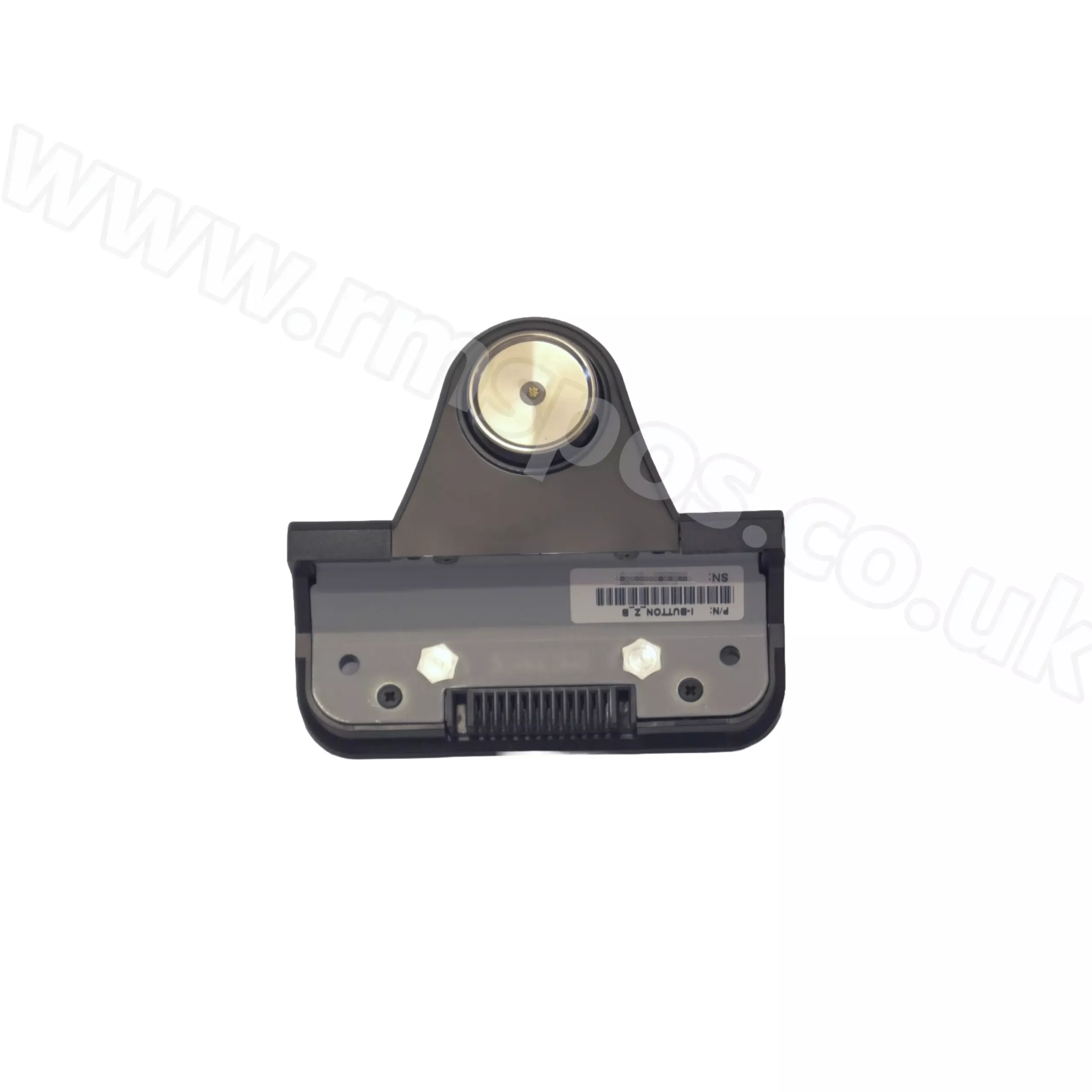
OXHOO ONIX 200 iButton Reader
A simple way to make logging in to the point of sale secure yet convenient, the iButton/Dallas Key reader is the perfect addition to the ONIX 200 EPoS Terminal.
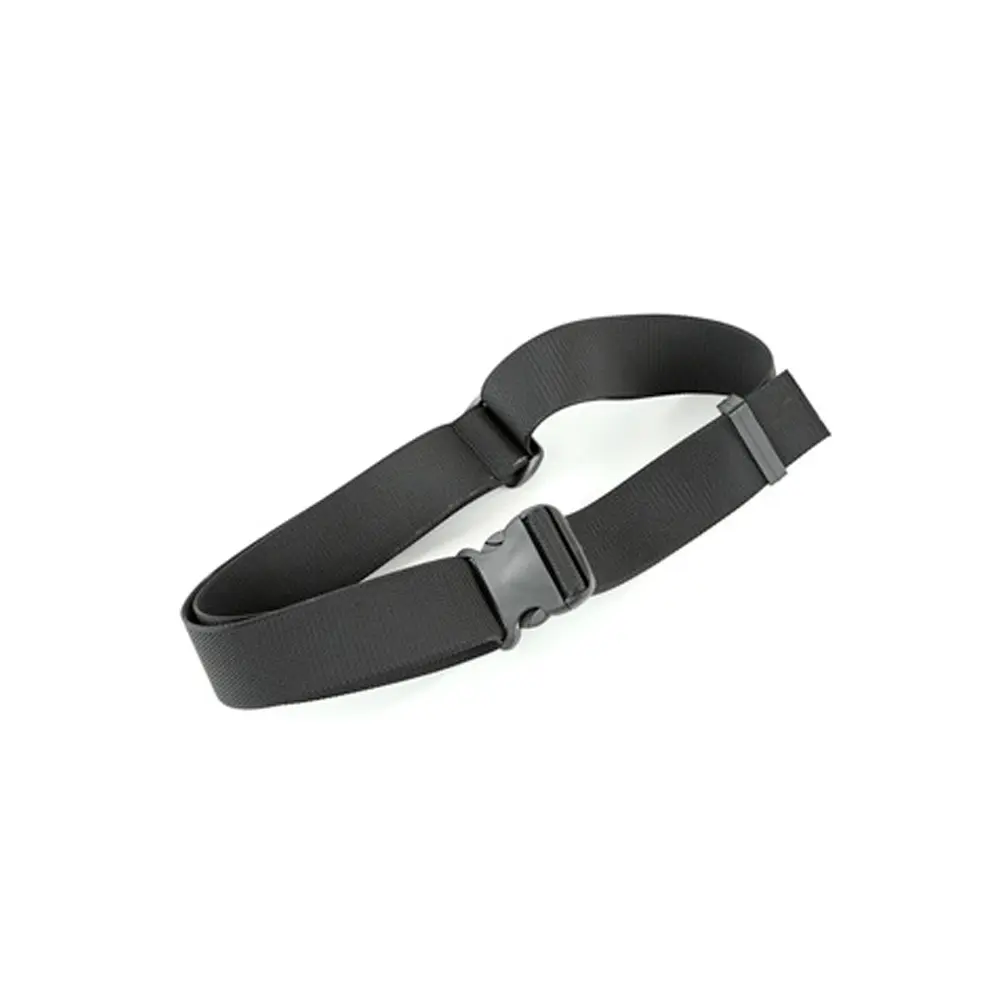
Zebra Universal Belt For Fabric Holsters – 11-08062-02R
£23.43 ex. VAT
The Zebra Universal Belt for Fabric Holsters offers a secure and adjustable solution for carrying your mobile computer. Built for durability, it ensures long-lasting performance in warehouses, retail environments and field operations.
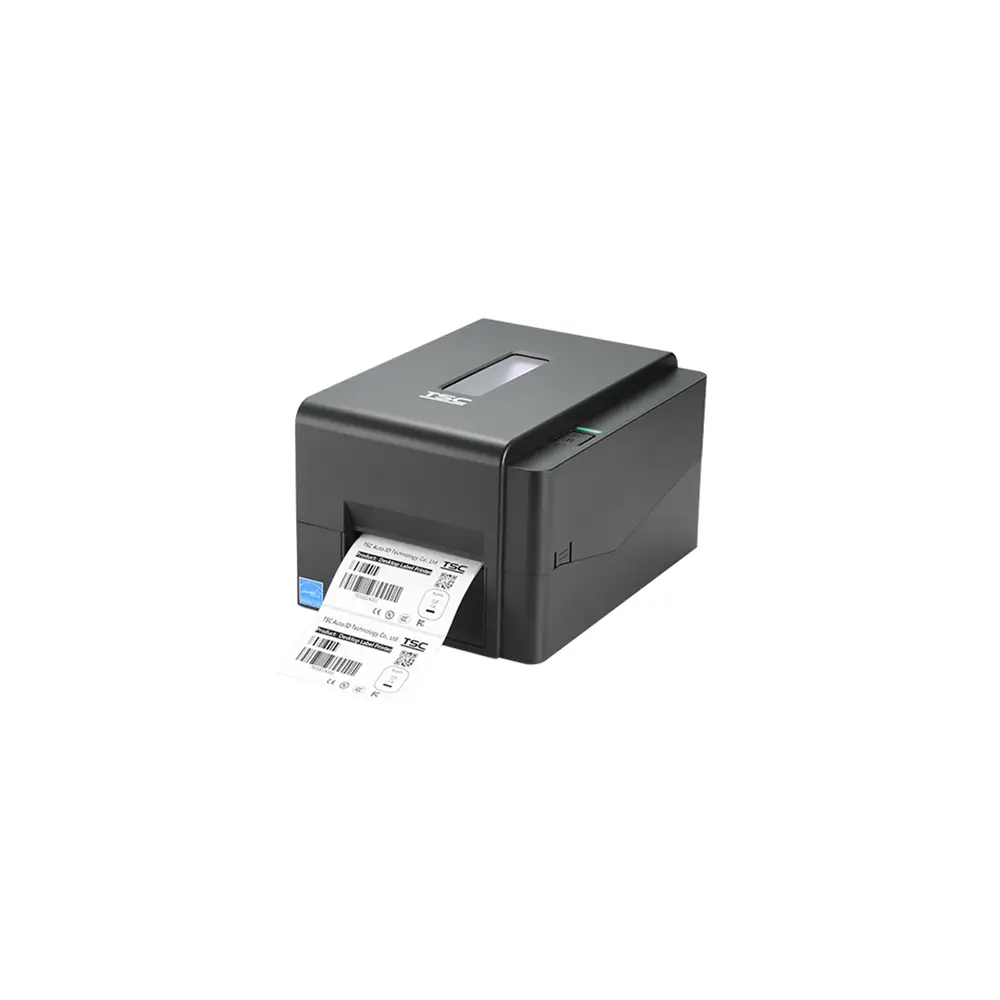

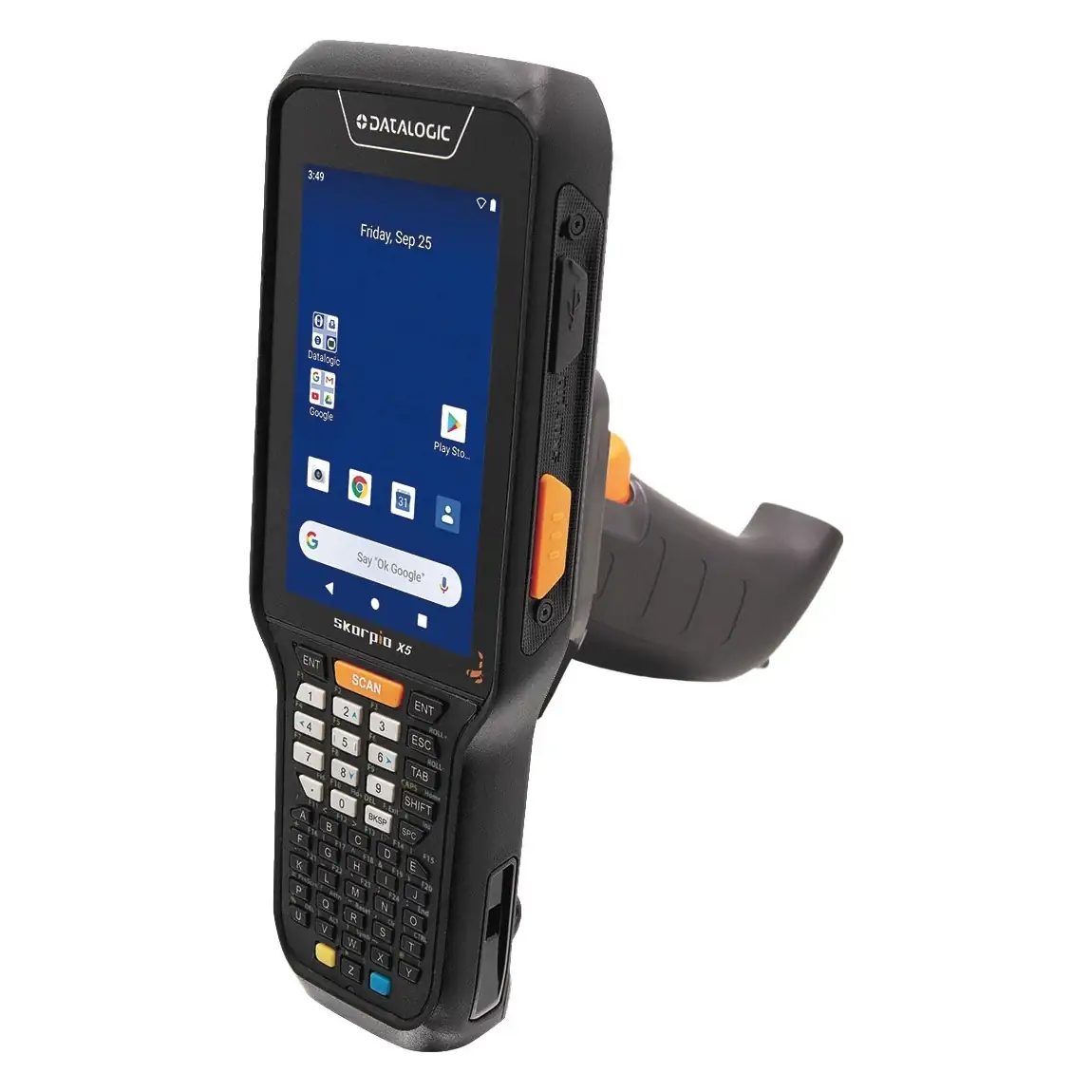
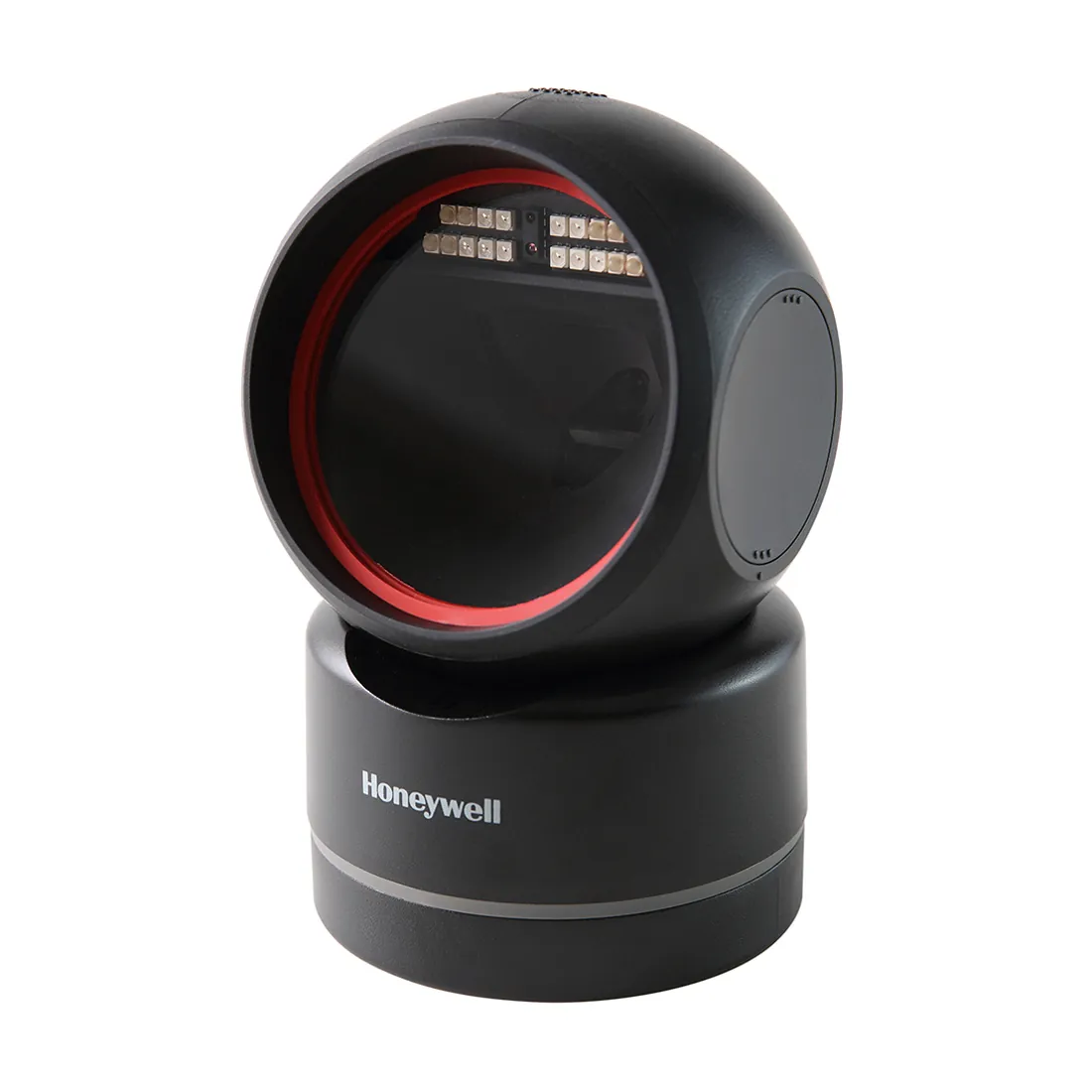

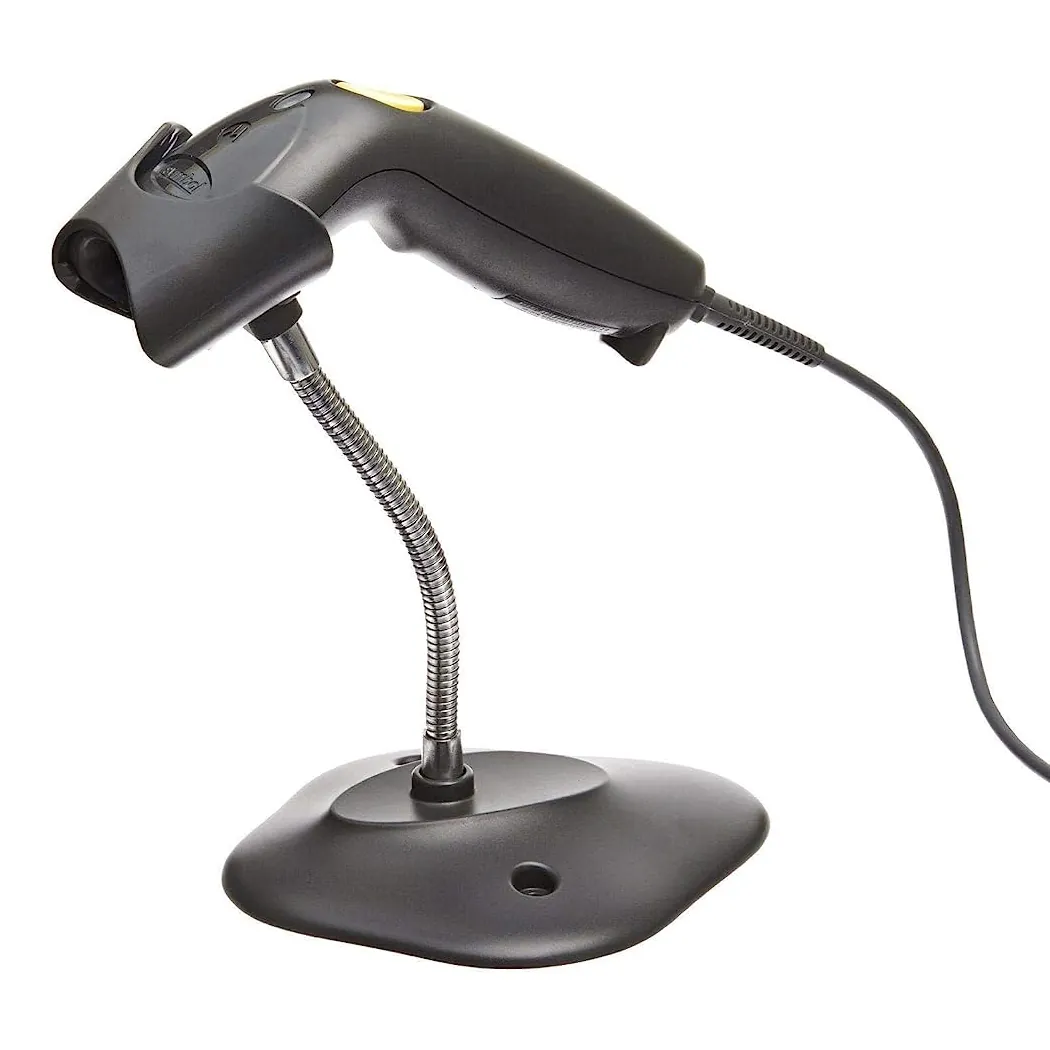
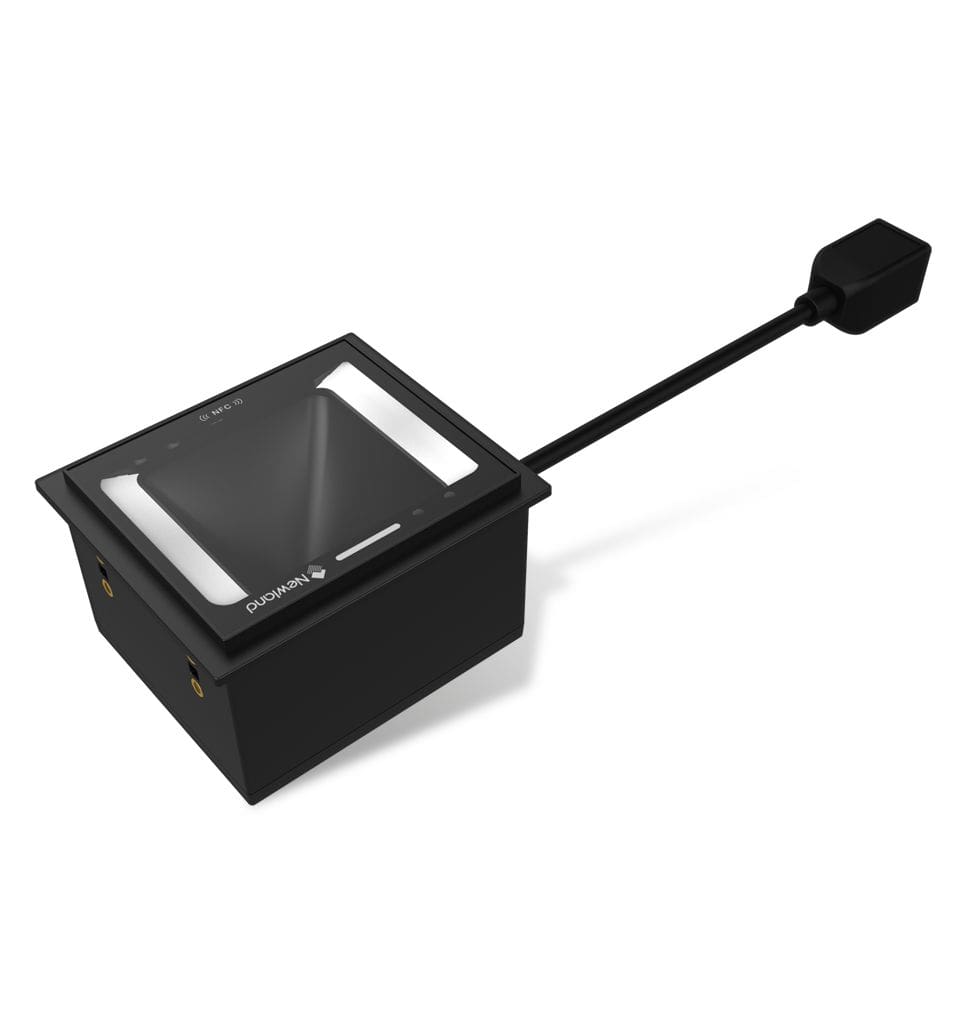
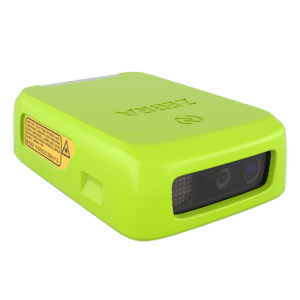
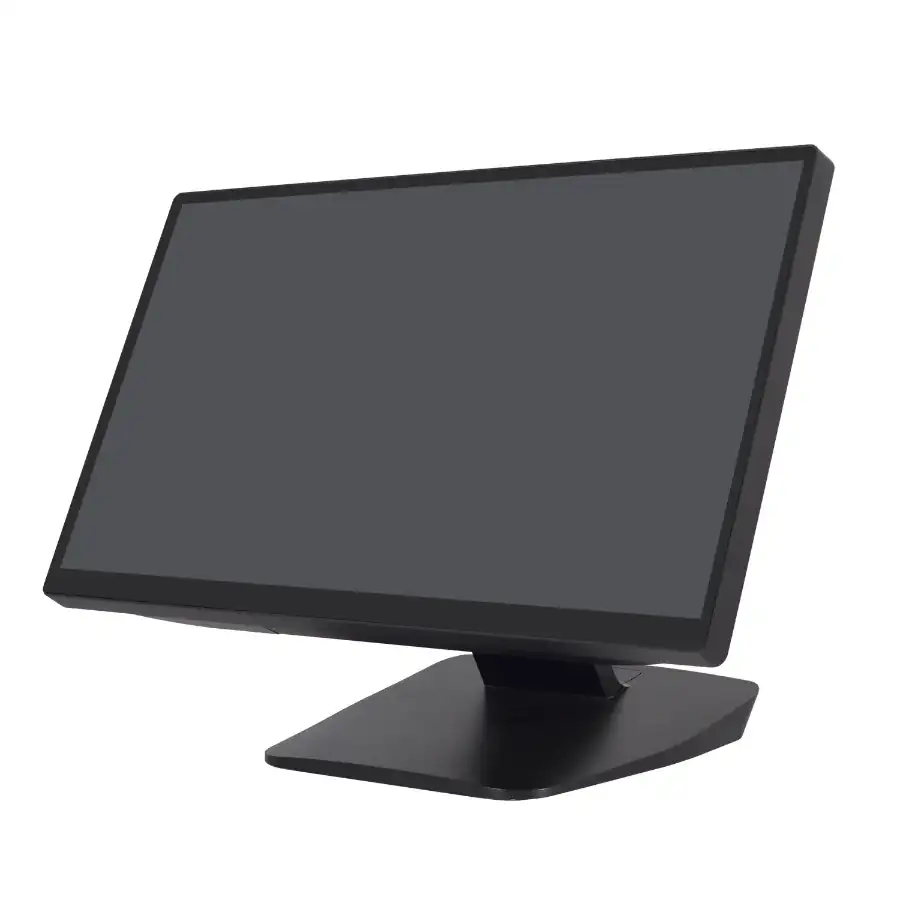
Electronic Point of Sale hardware offers many benefits to businesses. It can help streamline operations by automating tasks such as inventory tracking and customer loyalty programs. This can save time and money for businesses that would otherwise have to manually track these items. Additionally, till software and the equipment that they run on provide detailed reports on sales data which can be used to make informed decisions about pricing strategies or product offerings. Finally, it offers secure payment processing options which can help reduce the risk of fraud or theft.
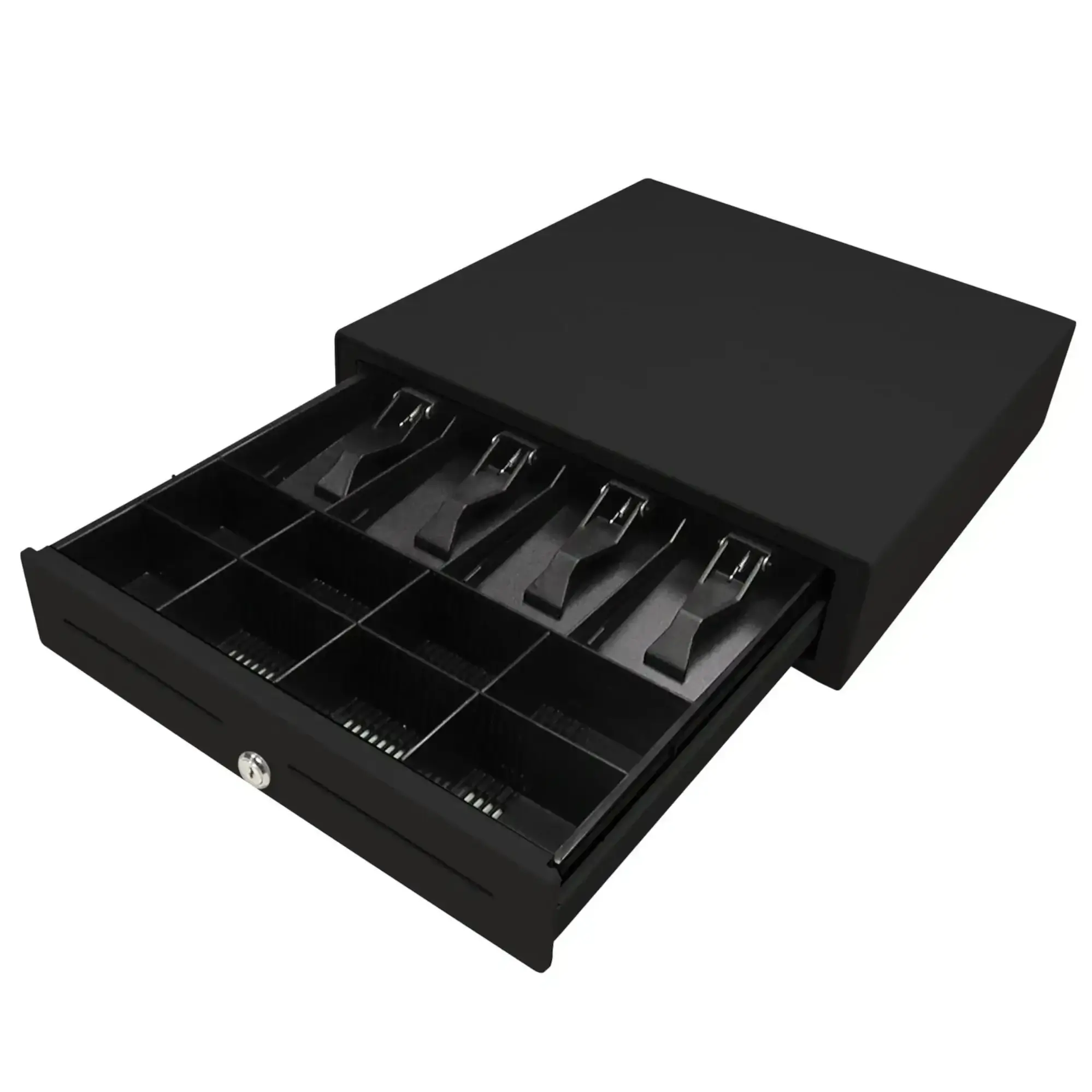
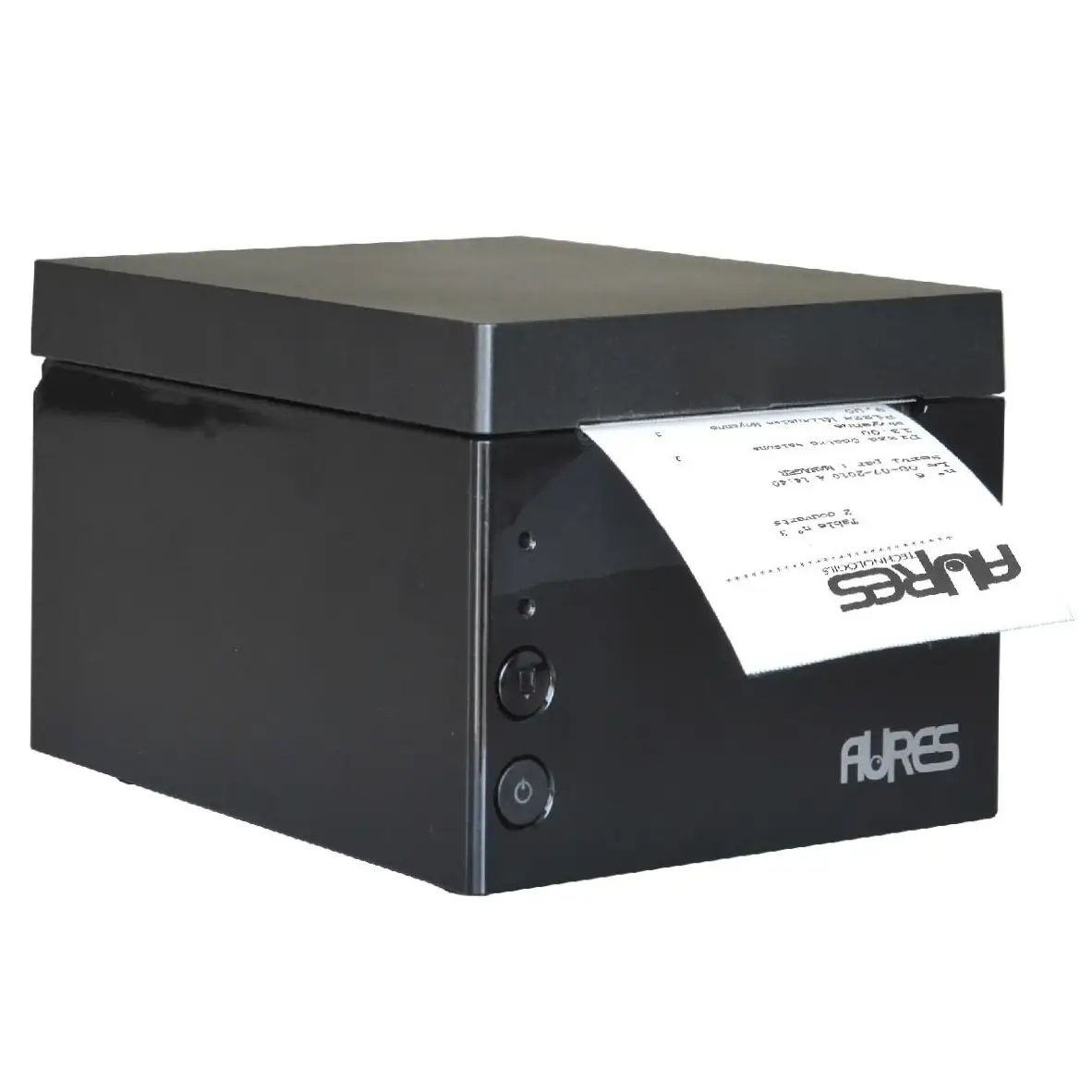
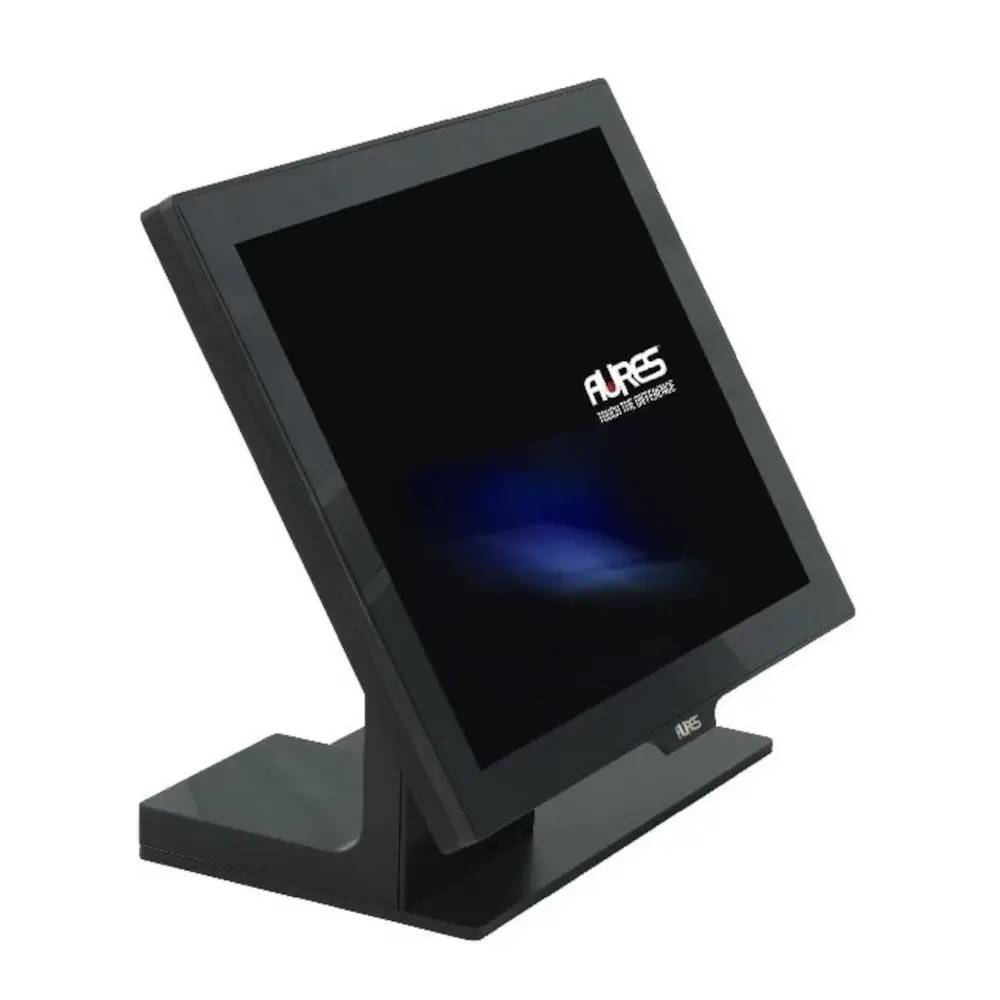
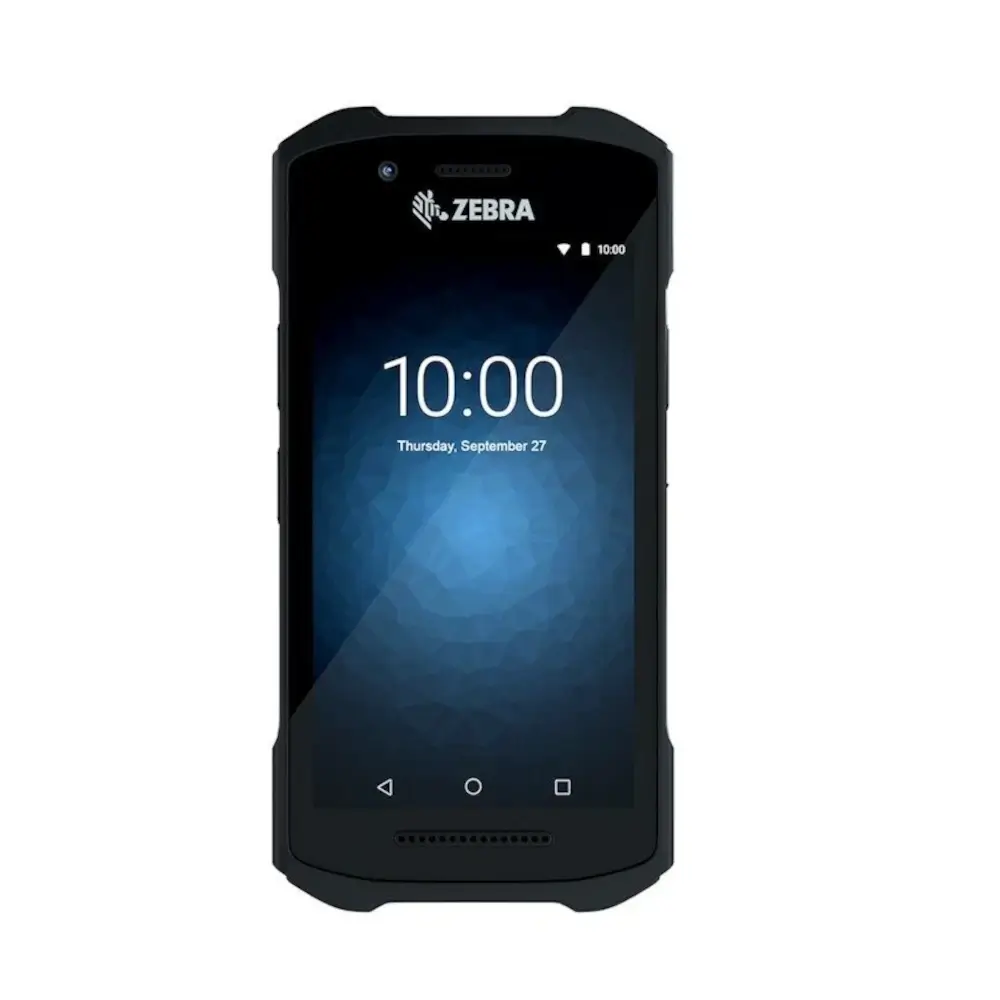
There are several types of Electronic Point of Sale hardware available on the market today. These include traditional POS systems with cash drawers and barcode scanners; mobile POS systems which allow customers to pay with their smartphones; cloud-based POS systems which allow businesses to access their data from anywhere; and self-service kiosks which allow customers to check out without waiting in line. Each type has its own advantages and disadvantages depending on the needs of the business.
