


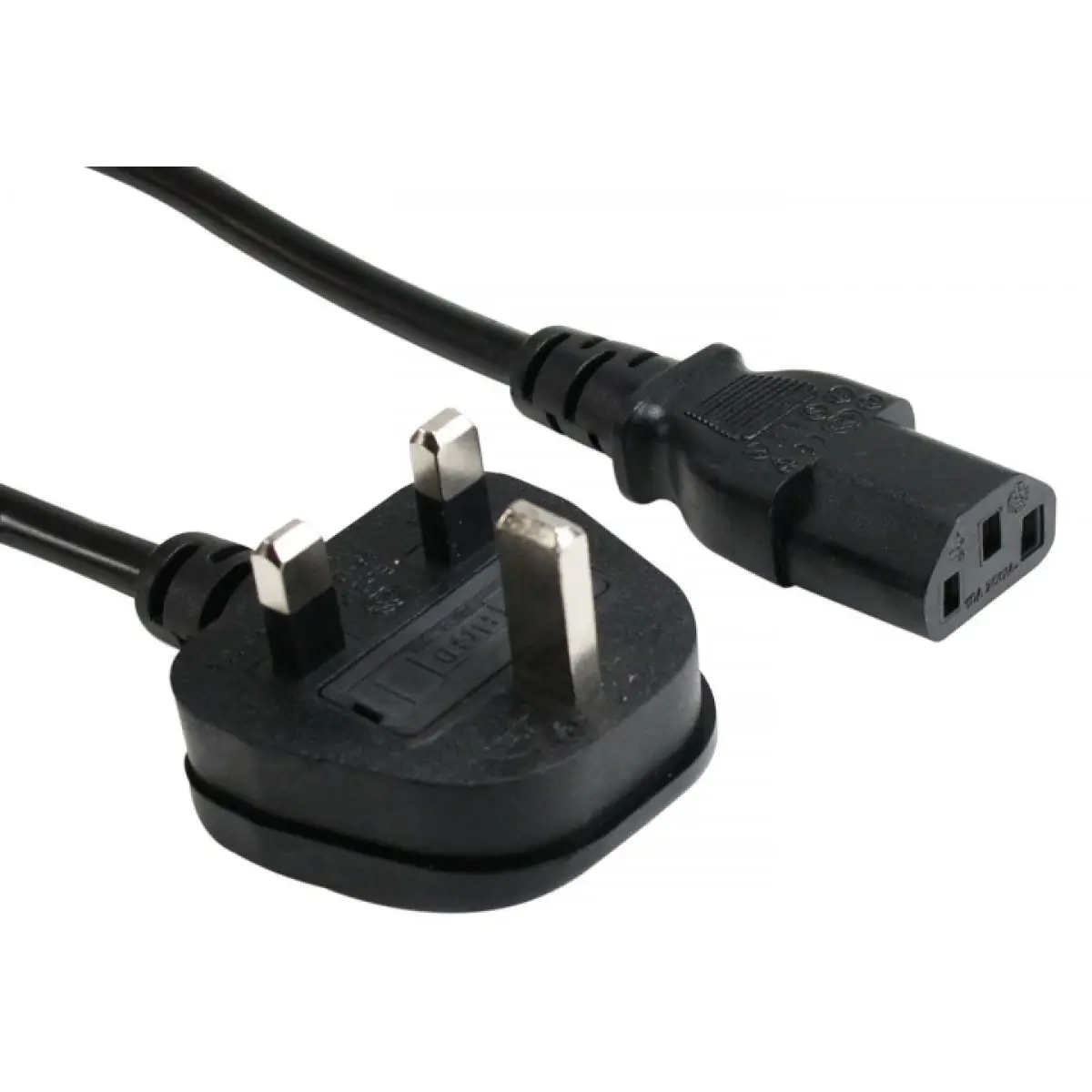
Avery Berkel 12V Power Supply for FX120
£24.95 ex. VAT
12 V DC power supply for Avery Berkel FX120 scale — ensures stable and reliable operation for retail checkout environments.
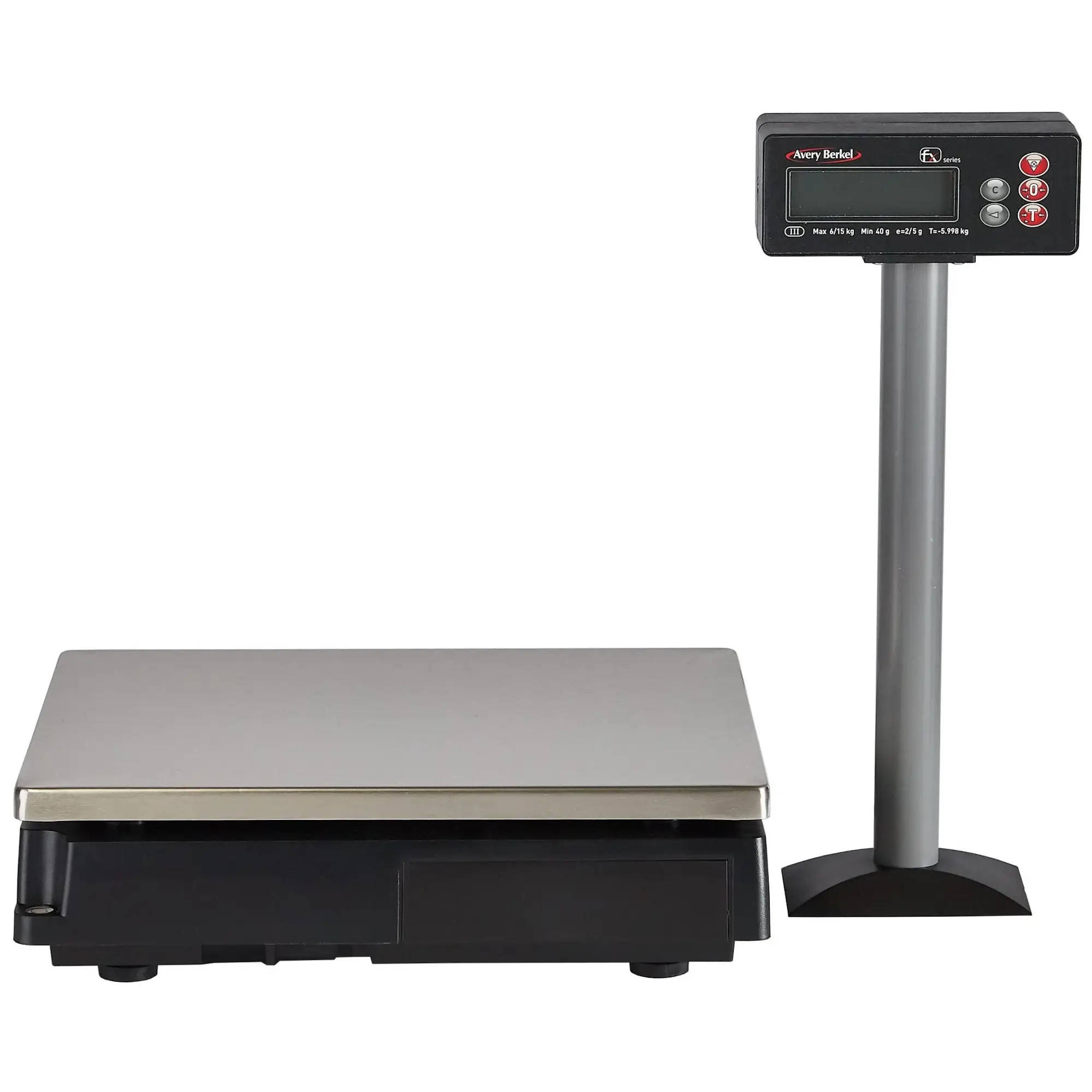
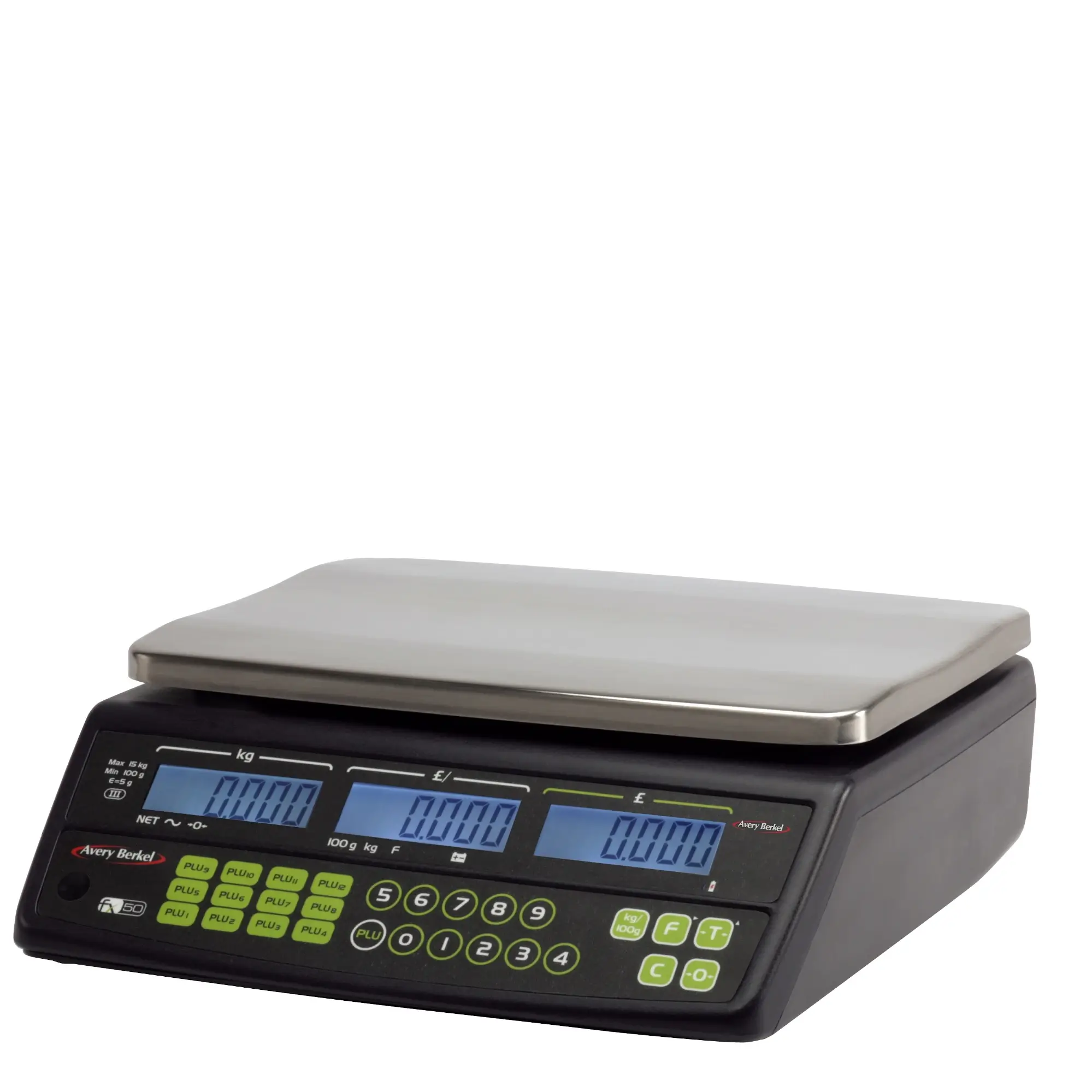
Avery Berkel FX50 Mono Scale
£239.95 £259.95 ex. VAT
Designed to offer all the functions the independent retailer needs, the FX50 is a simple, easy to use price-computing scale.
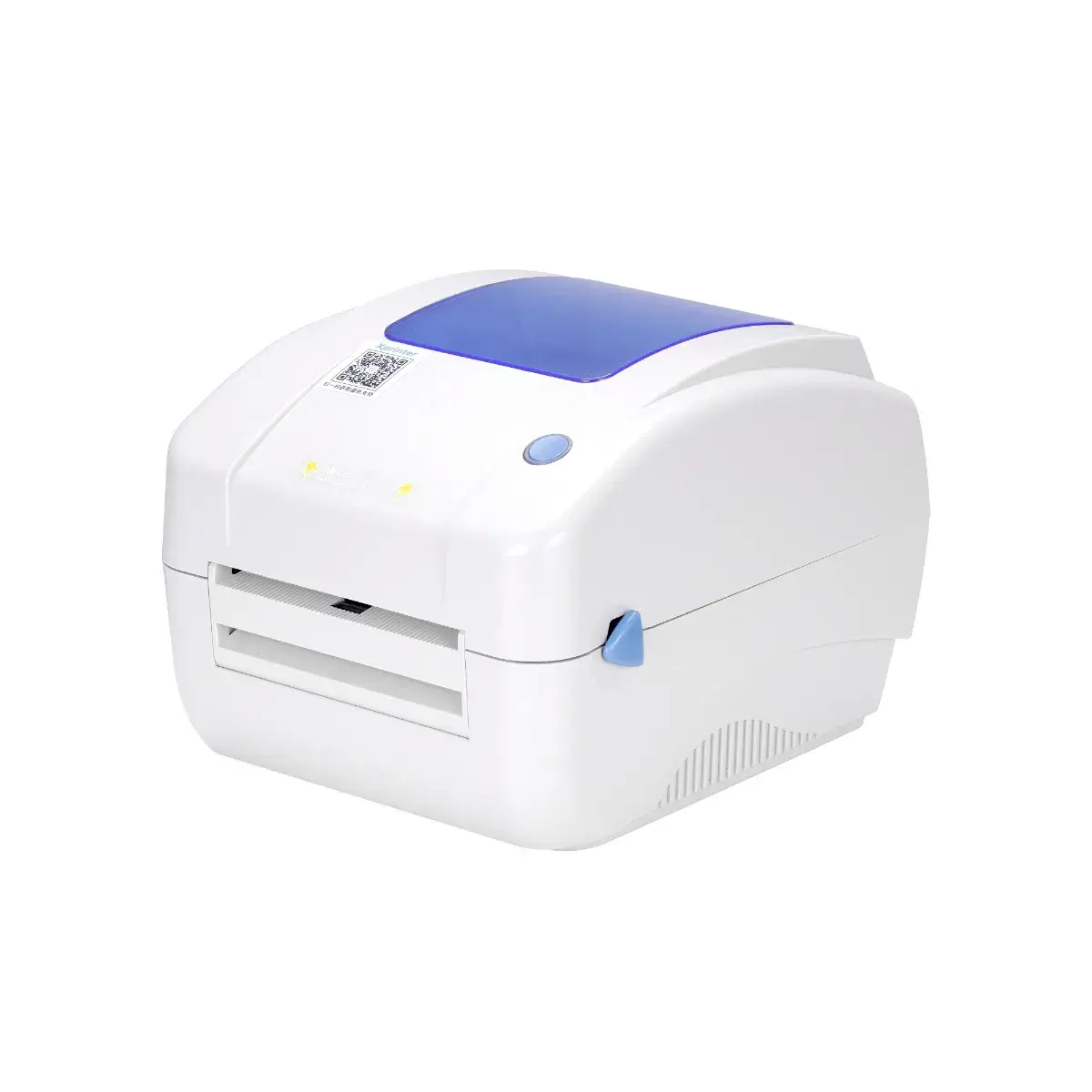
Xprinter 490B Thermal Label Printer – XP-490B
£88.06 ex. VAT
The Xprinter 490B is a high-speed thermal label printer with 203 DPI resolution, wide media support and optional peel-off functionality. With USB and LAN connectivity and rich emulation compatibility, it’s ideal for efficient labelling in retail, logistics and industrial settings.

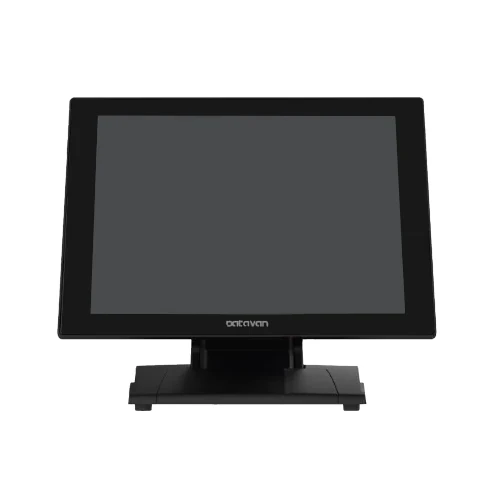
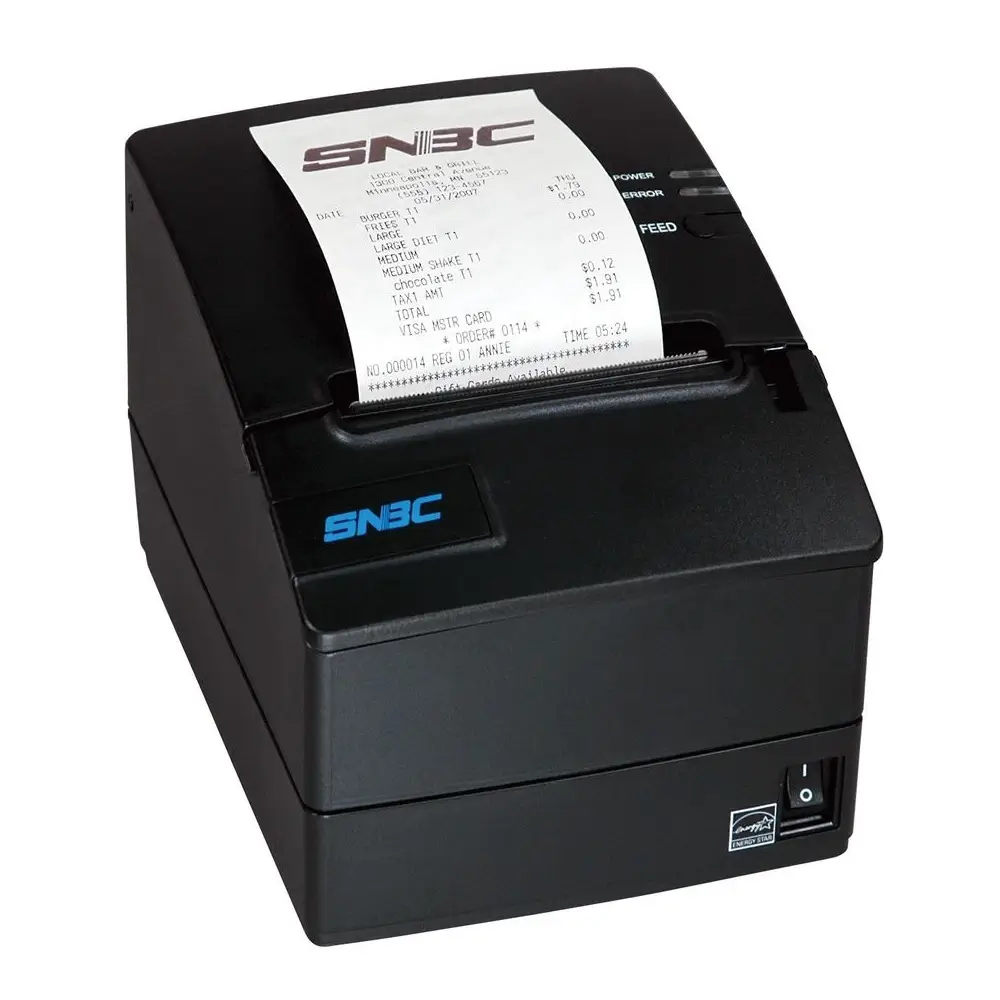



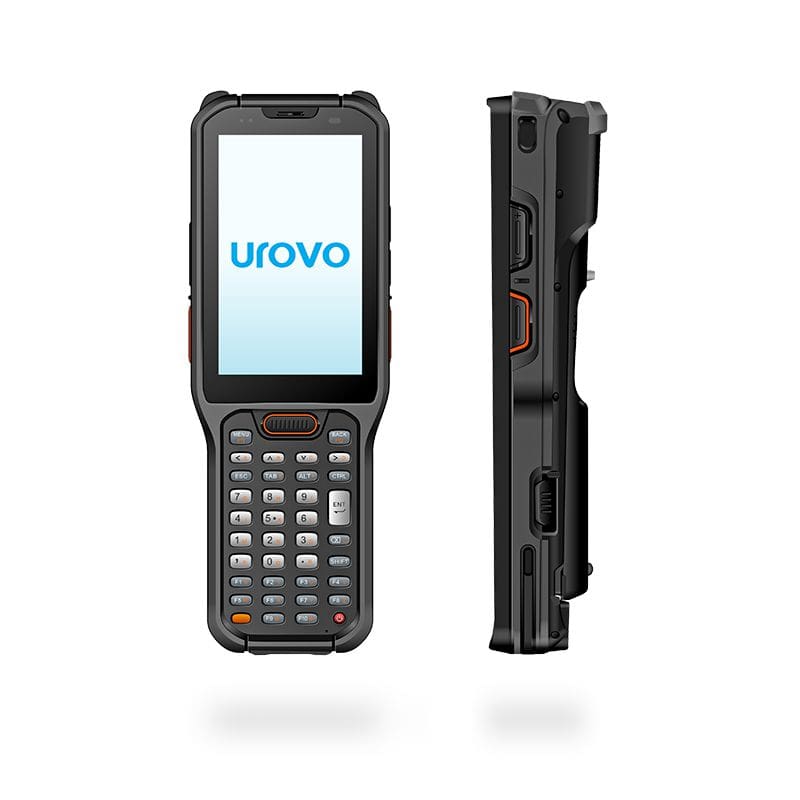
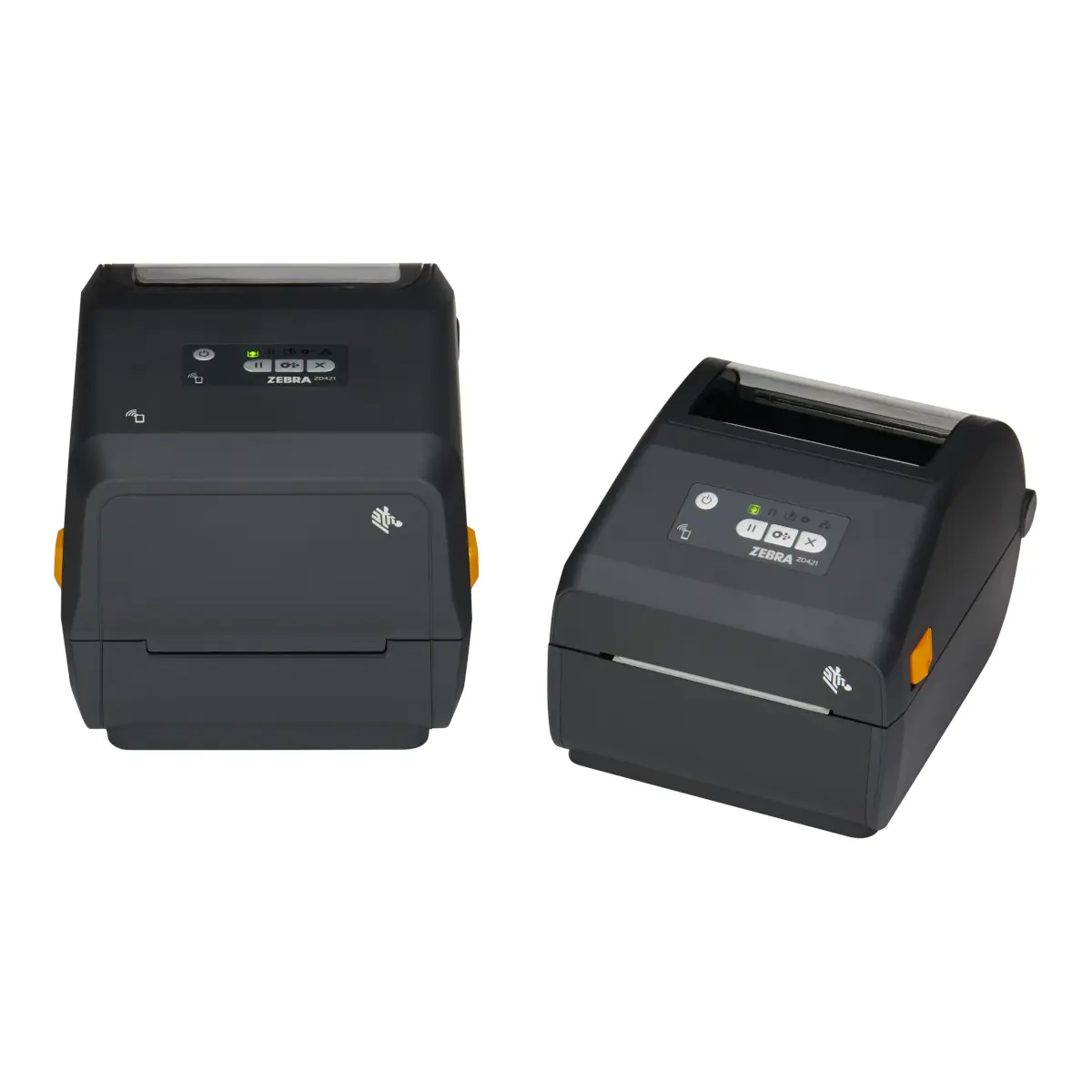
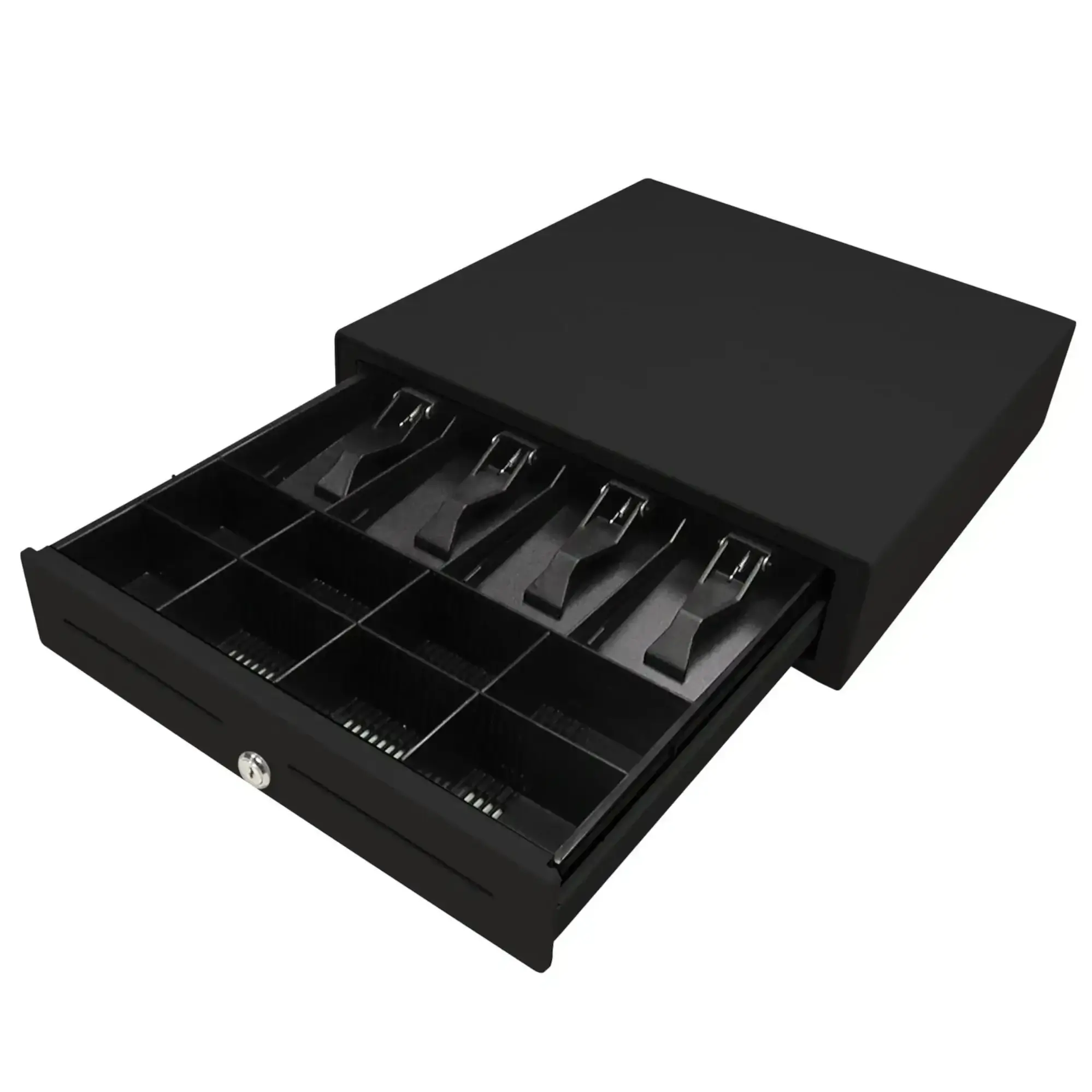
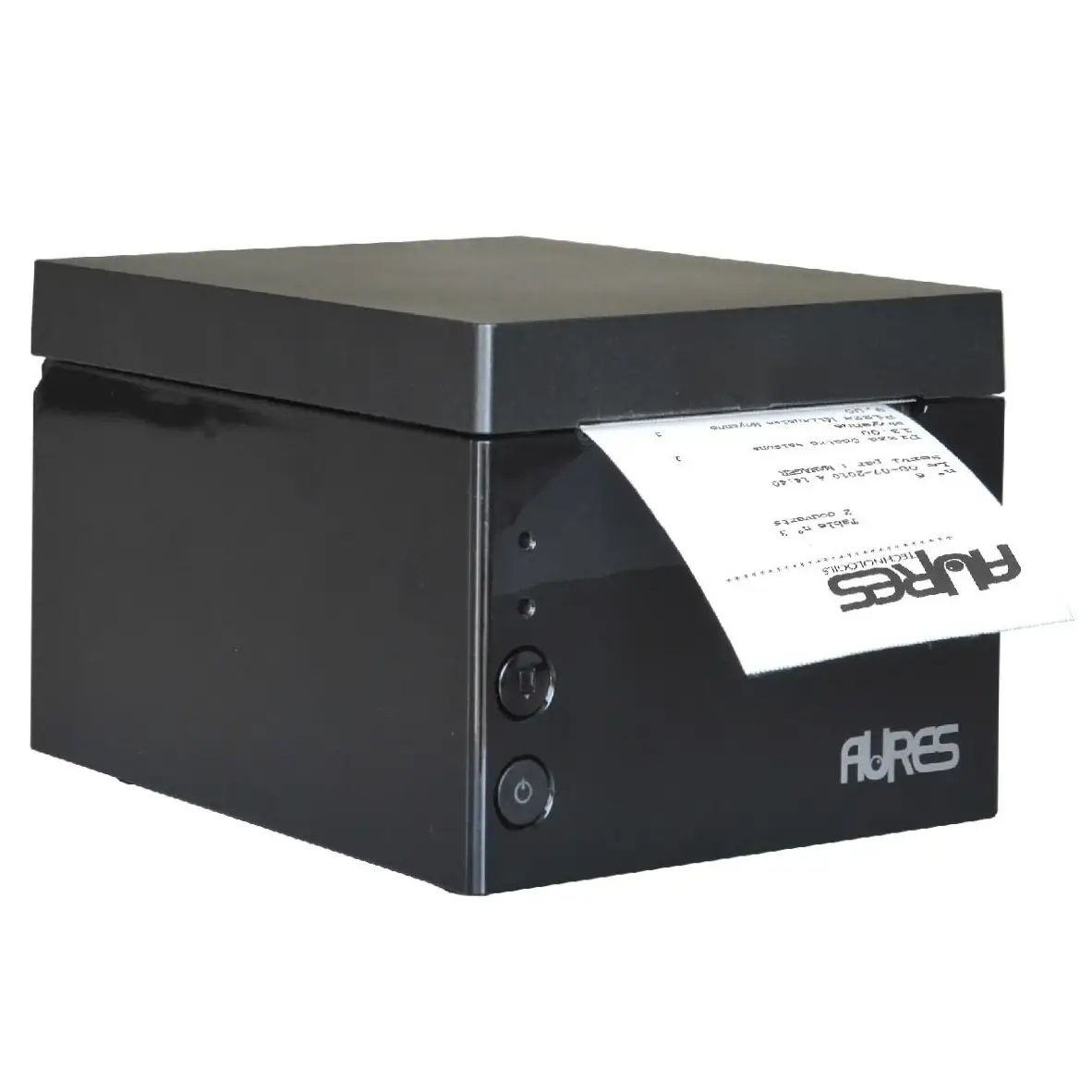
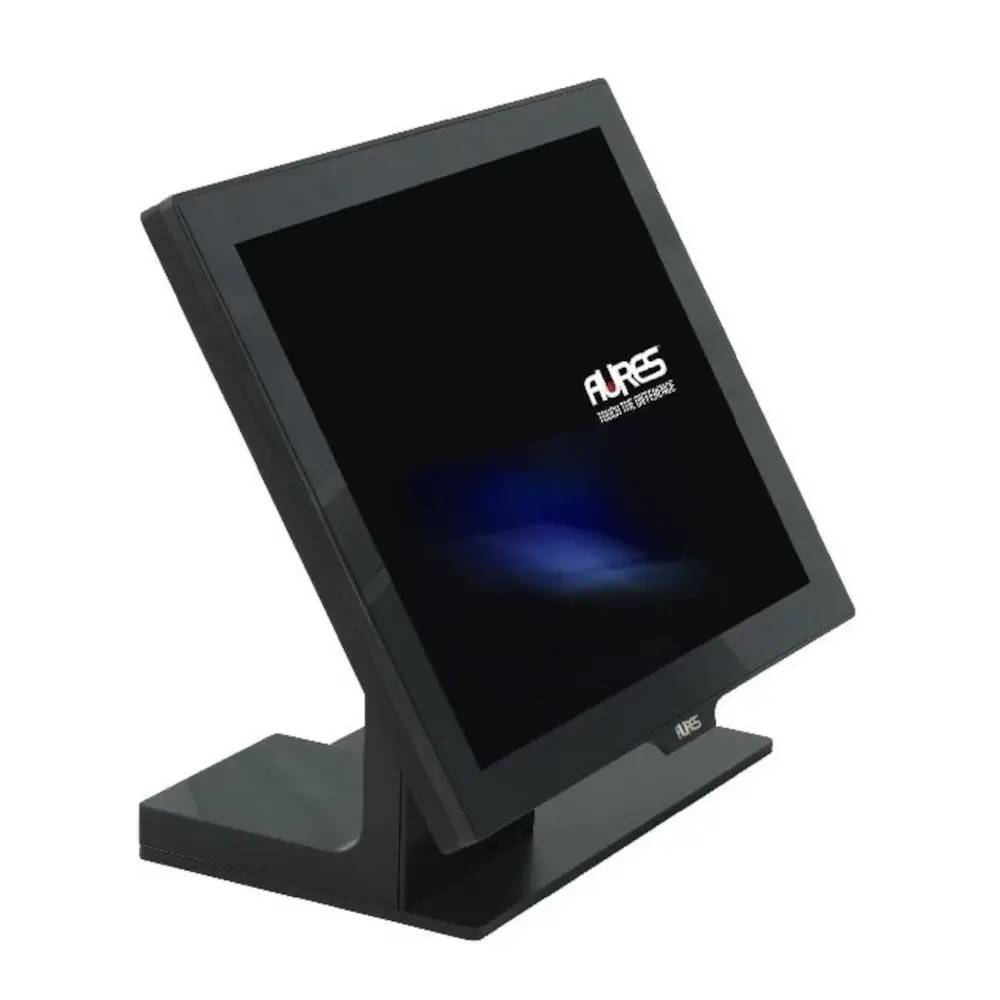
Electronic Point of Sale hardware offers many benefits to businesses. It can help streamline operations by automating tasks such as inventory tracking and customer loyalty programs. This can save time and money for businesses that would otherwise have to manually track these items. Additionally, till software and the equipment that they run on provide detailed reports on sales data which can be used to make informed decisions about pricing strategies or product offerings. Finally, it offers secure payment processing options which can help reduce the risk of fraud or theft.
There are several types of Electronic Point of Sale hardware available on the market today. These include traditional POS systems with cash drawers and barcode scanners; mobile POS systems which allow customers to pay with their smartphones; cloud-based POS systems which allow businesses to access their data from anywhere; and self-service kiosks which allow customers to check out without waiting in line. Each type has its own advantages and disadvantages depending on the needs of the business.
